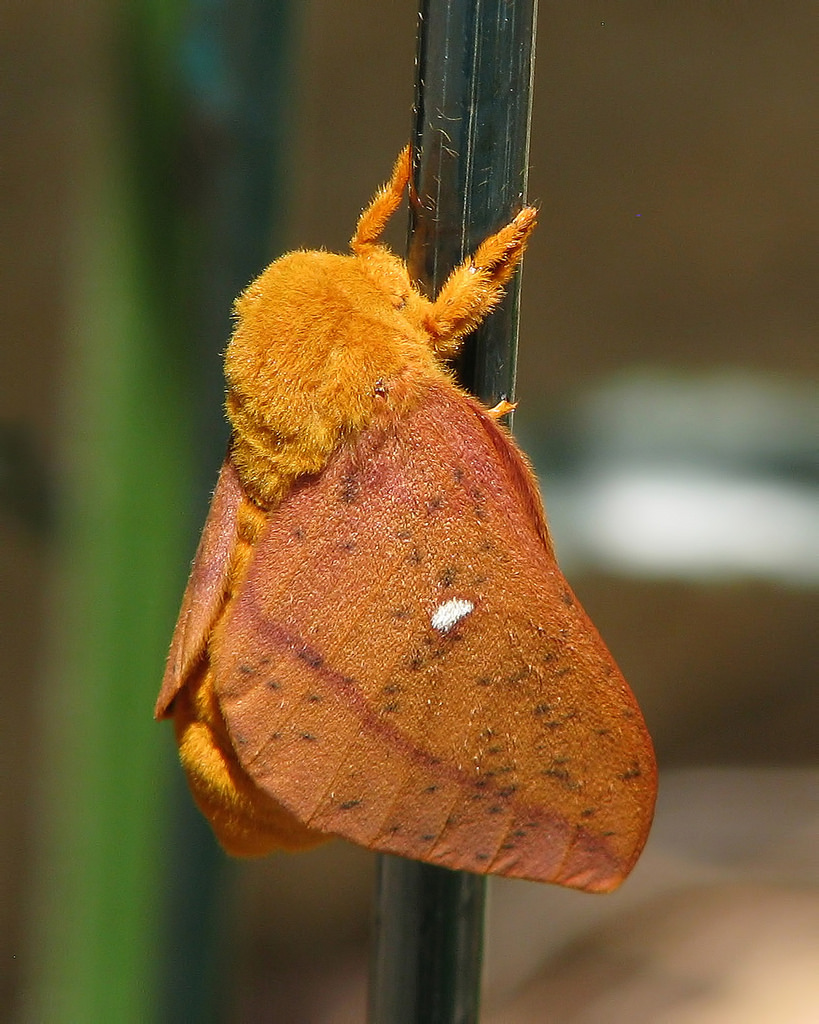
Fall Tree Care: Identifying Common Tree Insects in Fall, Part Three
This is the third of a four part series on fall tree insects. Introduction In fall, while preparing for winter dormancy, many plants shed their leaves in a burst of…

This is the third of a four part series on fall tree insects. Introduction In fall, while preparing for winter dormancy, many plants shed their leaves in a burst of…
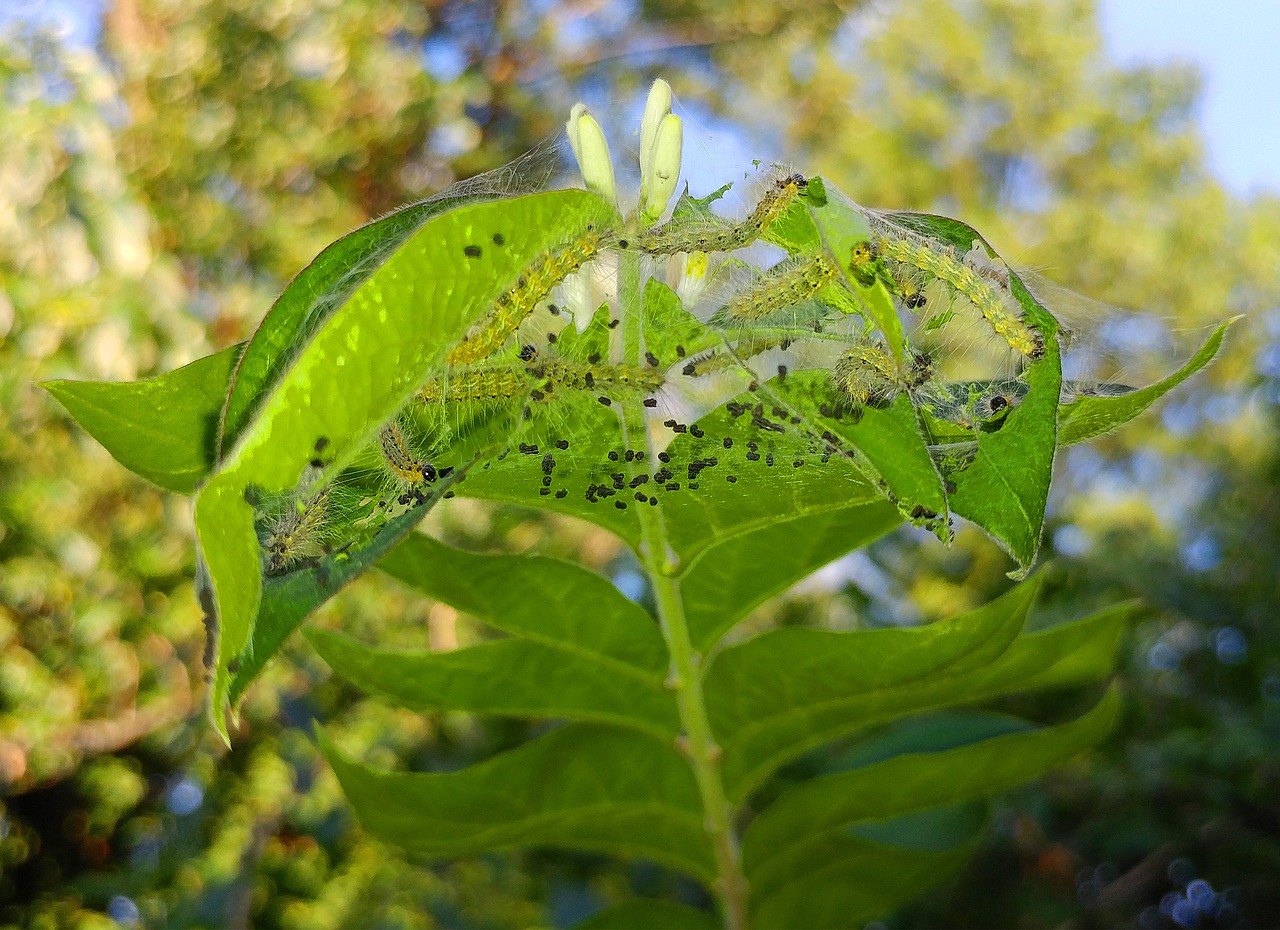
Introduction In fall, while preparing for winter dormancy, many plants shed their leaves in a burst of color. During this period, certain tree insects can be easily identified. The following…
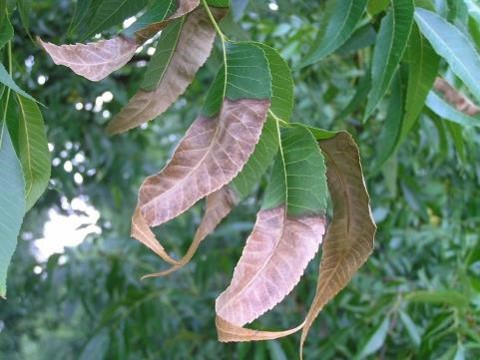
Introduction Bacterial leaf scorch is a disease of various shade trees, perennials, and crops that is caused by the bacteria Xylella fastidiosa. The bacteria invade the xylem of susceptible trees,…
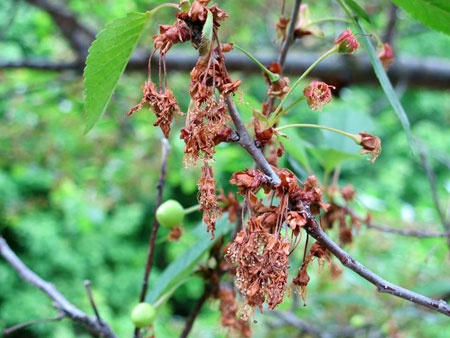
Introduction Brown rot blossom blight is a fungal disease that infects a bevy of stone fruit trees. The disease is caused by the pathogen Monilia fruiticola. Monilia fruitocola invades susceptible…
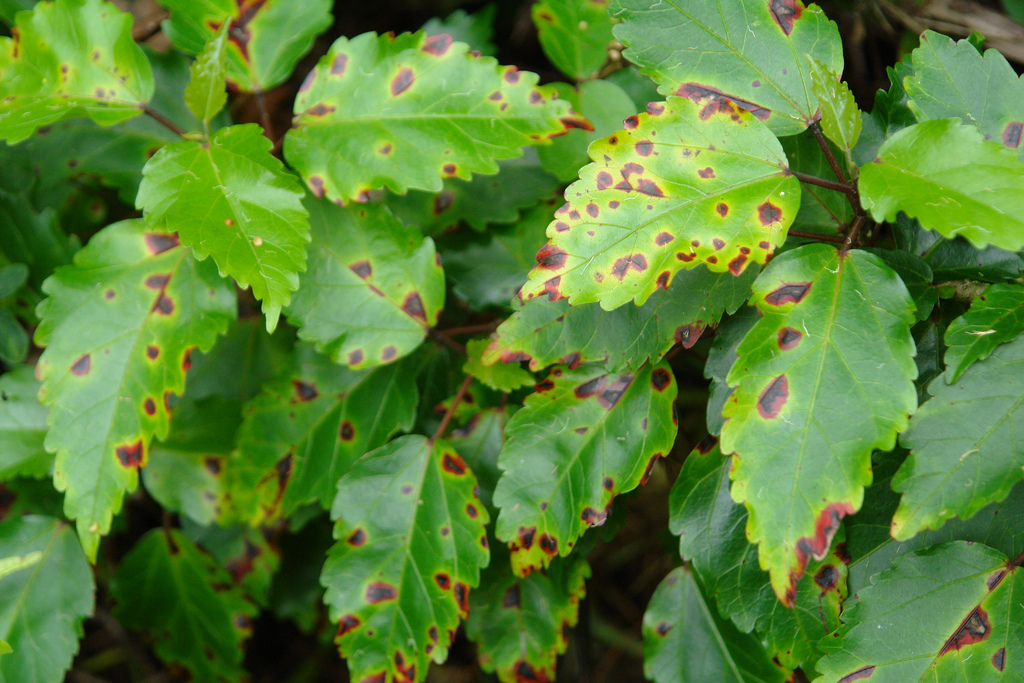
Introduction Bacterial leaf spot is a disease that affects various crops and ornamental plants. It is most often caused by the bacterial pathogens Pseudomonas spp. and Xanthomonas spp. The infectious…
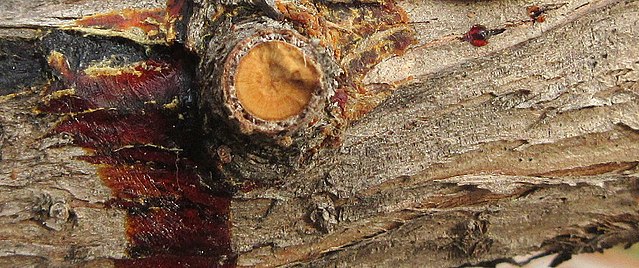
Introduction Seiridium canker is a fungal disease caused by three species of fungi in the genus Seiridium. Of the three, Seiridium cardinale is the most widespread, affecting various members of…
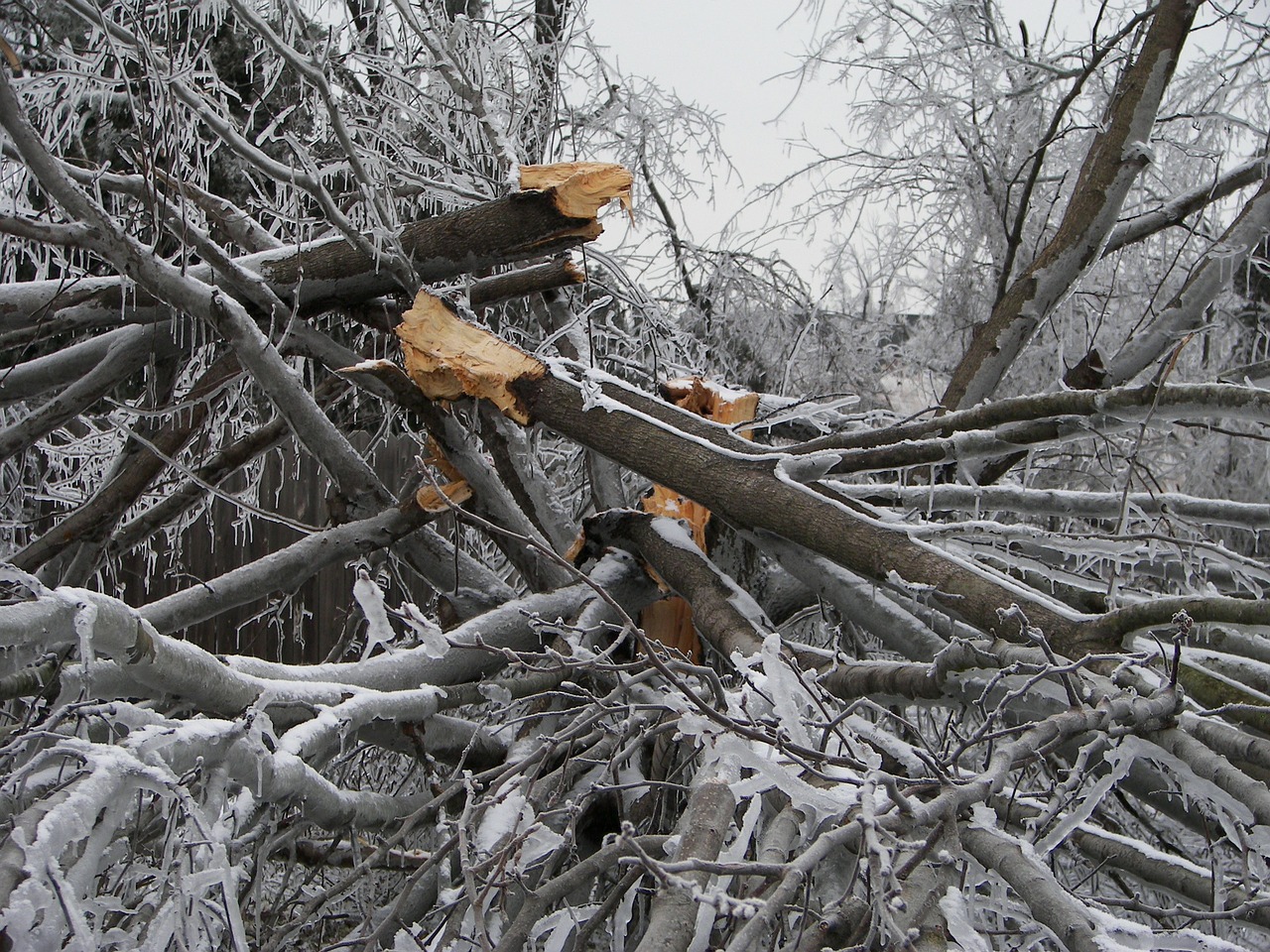
Introduction During the winter months, frigid temperatures and heavy winds can combine to produce fierce storms. Winter storms can feature abundant precipitation – often in the form of ice or…
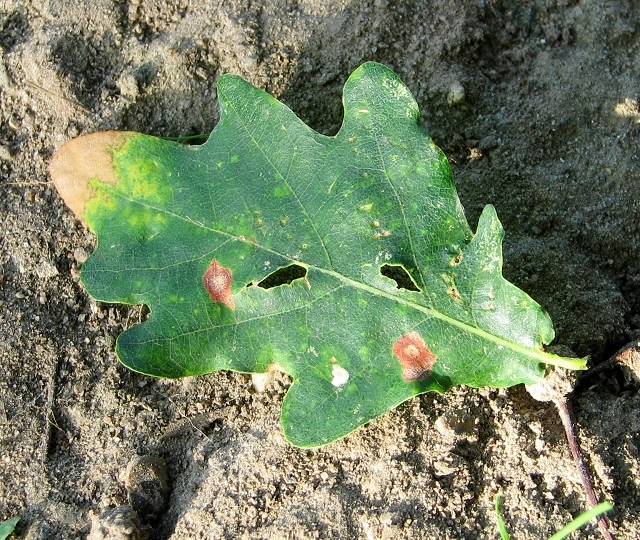
Introduction Oak leaf gall mite (Pyemotes herfsi), also known as itch mite, is an ectoparasitic insect in the genus Pyemotes. It is a secondary invader of oak trees that parasitizes…
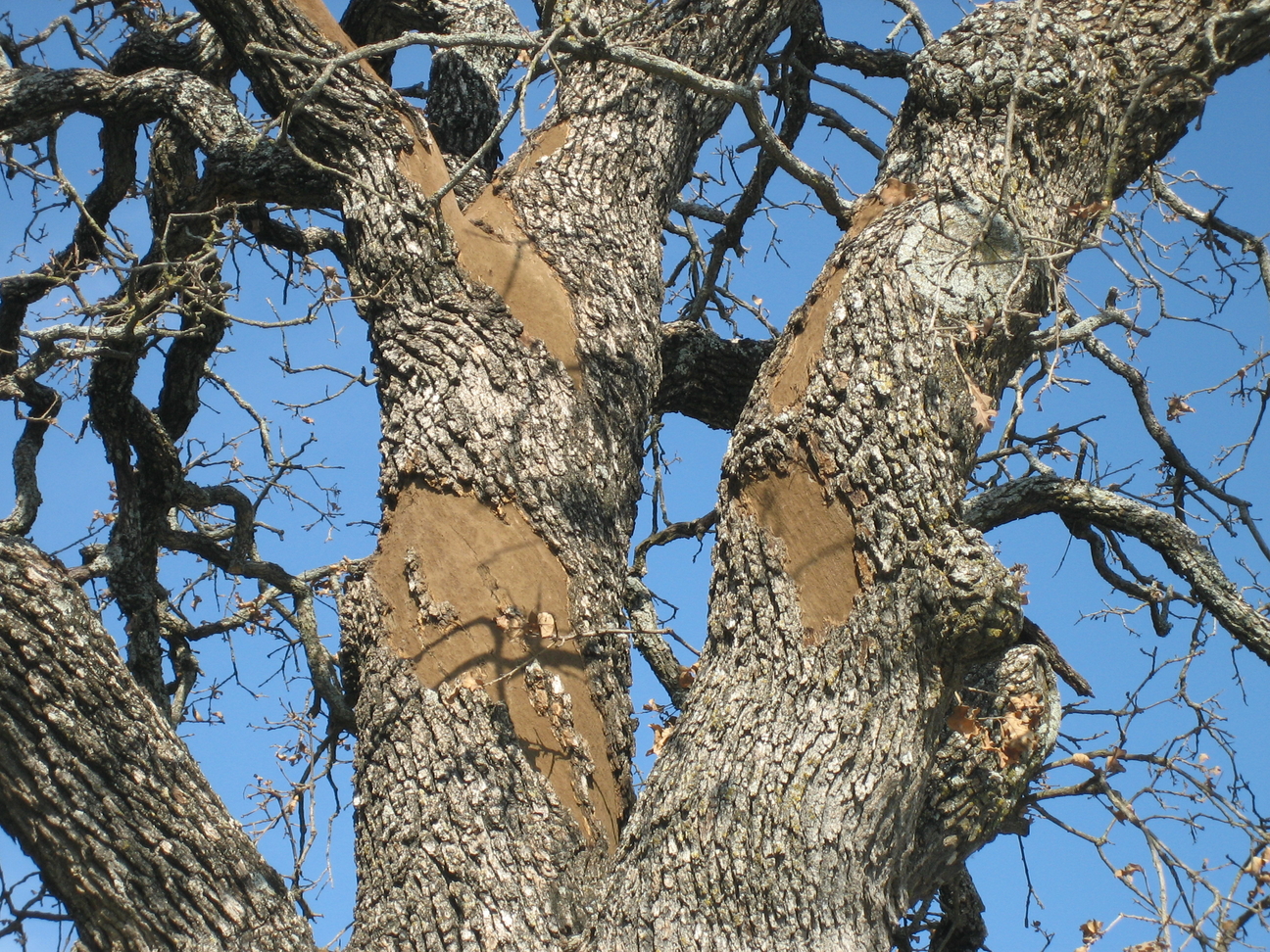
Introduction Hypoxylon canker of oaks is a fungal disease caused by the pathogen, Hypoxylon atropunctatum. The fungus infects weakened, injured, and dying wood on oak trees. The fungus generally infects…
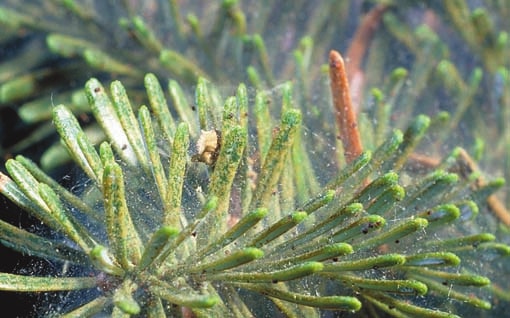
Introduction Spruce spider mite (Oligonychus ununguis) is a small pest that infests numerous conifers. The insect is native to North America. It is one of the most destructive spider mites…